
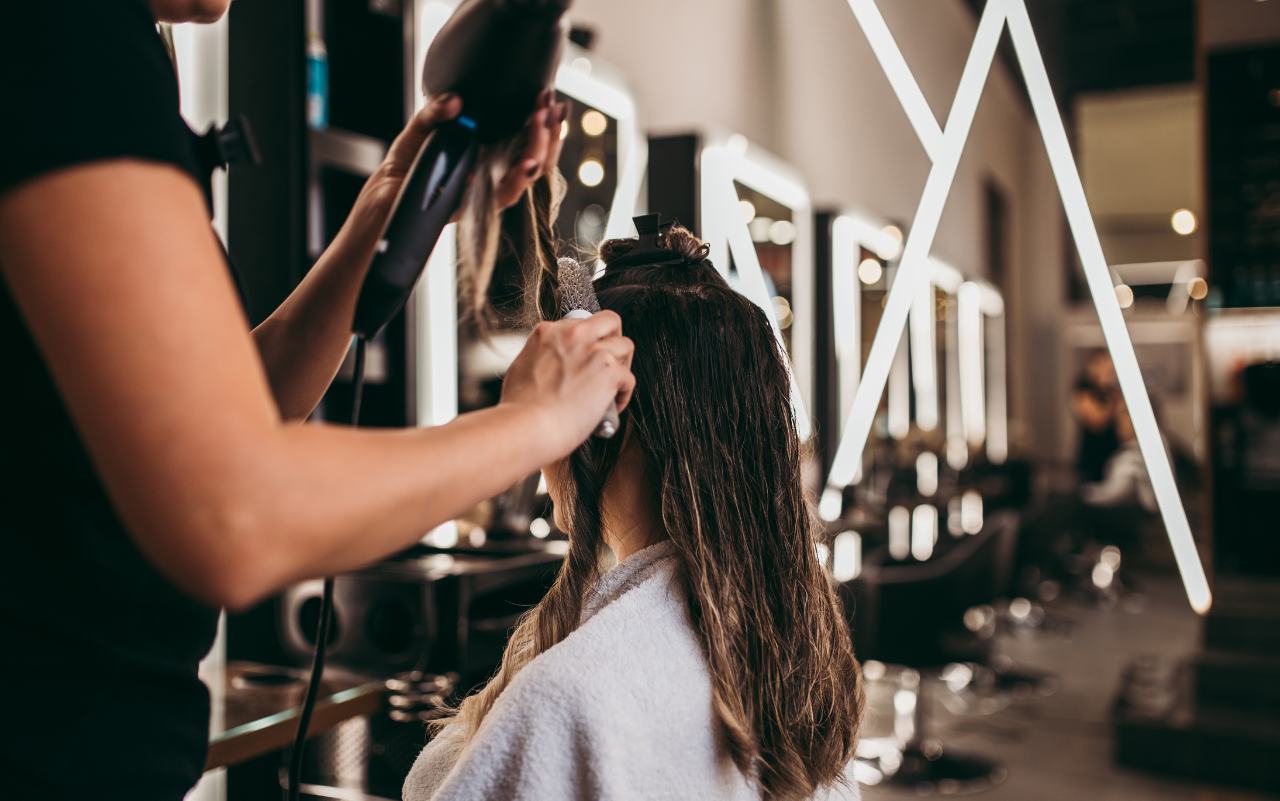
A beautifully designed salon with plush interiors, premium chairs, soft lighting, and a luxury vibe often gives owners confidence that success is guaranteed. On the surface, everything looks perfect. The salon feels expensive, professional, and Instagram-worthy. Yet behind the scenes, many such luxury salons struggle with poor sales, low repeat clients, and monthly losses ranging from ₹1–2 lakhs or more. The problem is not the look of the salon—it is the illusion of luxury without performance.
In today’s beauty industry, luxury is often misunderstood as aesthetics alone. Marble floors, designer mirrors, imported furniture, and scented candles create an upscale atmosphere, but they do not automatically translate into revenue. Clients may walk in impressed, but if the experience and results do not justify the price, they rarely convert into loyal customers. A luxury look without luxury results becomes an illusion that fades quickly.
Clients do not come to salons to admire furniture. They come for visible results, expert care, and solutions to their skin and hair problems. While ambience may attract first-time visitors, it does not convince them to buy treatments, upgrades, or retail products. When a client pays a premium price, they expect premium performance—not just a premium setting.
Most salons fail to convert because the treatments do not deliver noticeable results. Facials that feel relaxing but do nothing for acne, pigmentation, aging, or dullness leave clients dissatisfied. Hair treatments that promise repair but show no improvement after wash lose credibility. Without results, even the best sales pitch falls flat.
One of the most common reasons for low sales is the use of products that are easily available online or in retail stores. When clients recognize the same brand used at home or seen on e-commerce platforms, the perceived value drops instantly. Clients start questioning why they should pay salon prices for treatments using products they can buy themselves.
Luxury salons need authority, not availability. When products are salon-exclusive and not directly available in the market, clients automatically perceive them as professional-grade. This exclusivity builds trust and justifies higher pricing. Without it, salons struggle to position themselves as experts rather than service providers.
Many salons skip structured consultations and jump straight into services. Without understanding the client’s skin condition, lifestyle, concerns, and goals, treatments become generic. Clients do not feel heard, and staff miss opportunities to recommend personalized solutions. Sales happen when clients feel understood, not rushed.
Most salon teams are trained to perform services, not to solve problems. They know how to apply a facial or treatment but cannot confidently explain ingredients, science, or benefits. When staff lack product knowledge and confidence, clients sense it immediately. This results in hesitation, objections, and missed conversions.
To compensate for low sales, many luxury salons resort to heavy discounts and offers. While discounts may bring temporary footfall, they attract price-sensitive clients rather than loyal ones. Over time, the salon becomes known for deals instead of quality, making it even harder to sell premium treatments at full price.
Luxury salons often have high fixed costs—rent, interiors, staff salaries, utilities, and marketing. When treatment pricing is not aligned with performance and product cost, margins shrink. Even with decent footfall, profits remain low because the backend is not optimized for growth.
Modern clients are educated and result-driven. They want to see changes in their skin texture, tone, acne, pigmentation, and aging. Relaxation is a bonus, not the main goal. Salons that focus only on pampering miss the opportunity to position themselves as solution-driven skincare destinations.
With increased awareness of dermatology and cosmeceuticals, clients now expect salon treatments to be closer to clinic-grade performance. Acid-based facials, EGF serums, barrier repair treatments, and scientifically formulated products are in demand. Salons not upgrading their product portfolio are left behind.
Repeat clients are built on results. When a client sees improvement after one or two sessions, they return, recommend, and trust the salon blindly. High-performing products reduce the need for aggressive selling because the results sell themselves. This is where many luxury-looking salons fail—they look premium but perform ordinary.
Many salons use identical service menus copied from competitors. The names sound fancy, but the treatments lack differentiation. Clients see no reason to choose one salon over another. Unique, result-oriented protocols backed by professional products create a strong identity and improve conversions.
Retail product sales are a major profit driver, yet many salons ignore them. This usually happens when products are not exclusive, not effective, or not trusted by staff. When salons use professional, dermatologically tested products that deliver results, retail sales increase naturally as clients want to continue the results at home.
True luxury in today’s beauty industry is not about appearance—it is about credibility. Science-backed formulations, dermatologically tested products, and visible outcomes define modern luxury. Salons that combine aesthetics with performance stand out, while those relying only on looks struggle to survive.
When salons use products that are not available in the open market, it creates a powerful shift. Clients associate treatments with expertise and exclusivity. This reduces price resistance, increases trust, and boosts both service and retail sales. Exclusivity also protects salon margins and brand positioning.
Investing in staff training yields higher returns than investing in décor upgrades. When teams understand skin science, ingredients, and treatment logic, they communicate confidently with clients. Educated staff convert better, upsell ethically, and build long-term client relationships.
A luxury salon should not just look premium—it should perform premium. This means delivering results, using exclusive high-performance products, training staff continuously, and focusing on client transformation rather than just ambience. When performance matches appearance, sales follow naturally.
The salons that will thrive in the coming years are those that move beyond surface-level luxury. They will focus on science-backed skincare, exclusive professional products, and measurable results. These salons will not need constant discounts or aggressive marketing—their results will become their strongest selling tool.
If your salon looks luxurious but struggles with low sales, the problem is not your interiors—it is your foundation. True success lies in combining premium ambience with powerful performance. When clients see results, trust builds, loyalty grows, and revenue follows. Luxury should be felt on the skin, not just seen in the mirror.