
The skincare industry is one of the fastest-growing industries in the world. Consumers today are more aware of skin health, active ingredients, and professional beauty solutions than ever before. Social media, dermatology awareness, and self-care trends have created massive demand for skincare products and treatments.
Many aspiring entrepreneurs dream of starting a skincare business, but most believe they need:
The good news is—you do not need to manufacture products to build a successful skincare business.
Modern business models such as:
have made it easier than ever to launch a profitable skincare business without owning a factory.
In this blog, we will explore how entrepreneurs, salon owners, skincare professionals, and beauty startups can build a successful skincare business without manufacturing products themselves.
Setting up a manufacturing unit involves:
This process is expensive, time-consuming, and risky for new businesses.
Today’s beauty industry is shifting toward flexible and scalable business models where entrepreneurs can:
without handling manufacturing operations.
This allows business owners to enter the market faster with lower risk.
Private labeling is one of the most popular ways to start a skincare brand.
In this model:
You can customize:
without investing in production facilities.
You avoid factory setup costs and focus on business growth.
Products can be launched quickly because formulations already exist.
You can build your own skincare identity and target specific audiences.
The business can grow rapidly without production limitations.
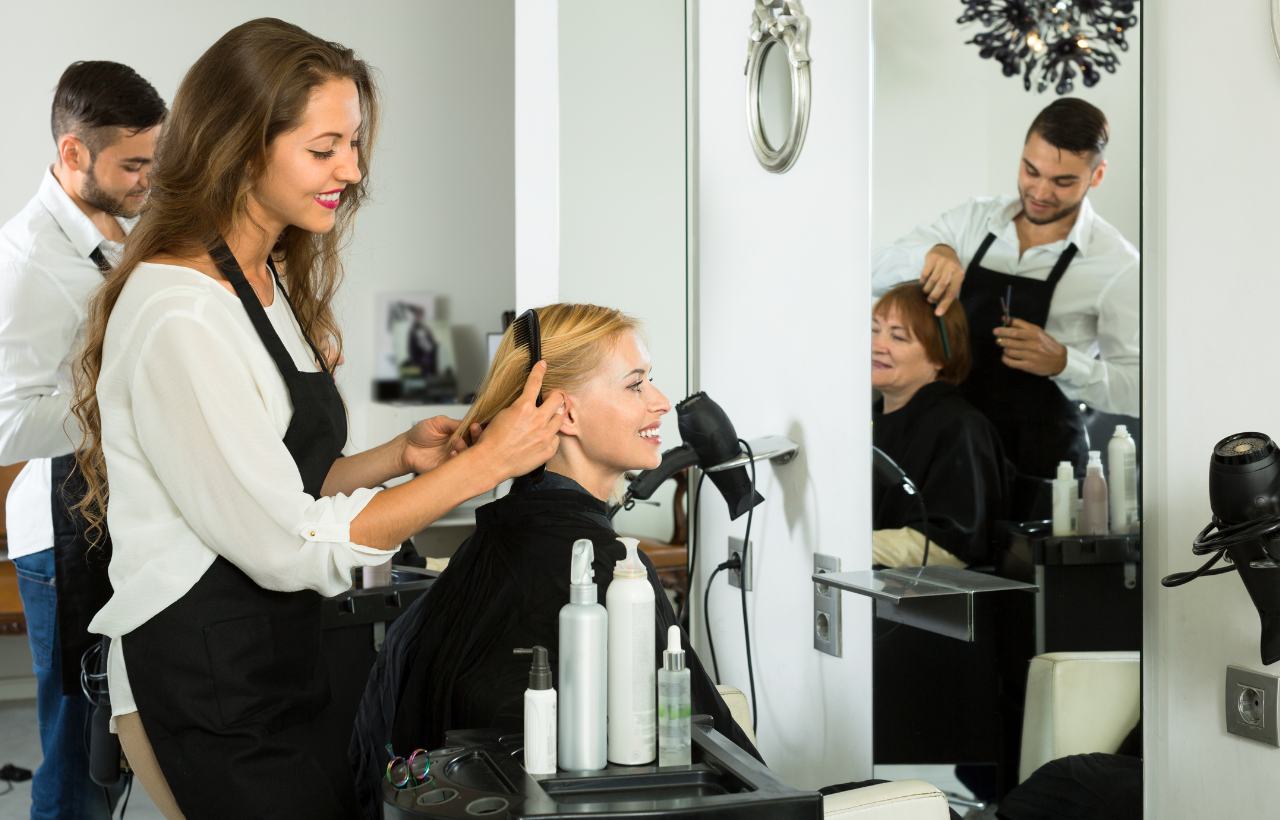
Many salons and clinics are now building profitable skincare businesses by partnering with professional skincare brands.
Instead of manufacturing products themselves, they:
This model generates income through both services and retail.
The Factory-to-Professional (F2P) model is becoming highly popular in the beauty industry.
In this system:
This helps salon owners and skincare entrepreneurs increase margins and reduce risk.
You can build a skincare business online by:
Many successful skincare brands today started online without manufacturing products themselves.
Modern consumers actively search for:
This creates consistent demand.
Skincare products are used daily, leading to:
This makes skincare businesses more stable than many other industries.
Consumers are willing to pay more for:
This increases profit margins significantly.
Understand who your ideal customers are.
Examples:
Knowing your audience helps you choose the right products and marketing approach.
Your success depends heavily on product quality.
Choose a partner that offers:
High-quality products create better customer satisfaction and stronger brand loyalty.
Branding is one of the most important elements of modern skincare businesses.
Strong branding includes:
Consumers buy brands they emotionally connect with.
Modern skincare customers are ingredient-conscious.
Educate them about:
Educational marketing builds trust and authority.
Successful skincare businesses combine:
Multiple revenue streams improve profitability and business stability.
Instagram, YouTube, and reels are powerful tools for skincare marketing.
Post:
Visual results attract customers quickly.
Consumers prefer personalized skincare experiences.
Provide:
This increases customer loyalty and conversion rates.
Professional skincare products help businesses:
Products with ingredients like:
are highly in demand because they target specific skin concerns effectively.
Poor formulations damage customer trust and business reputation.
Without branding, businesses struggle to differentiate themselves in a crowded market.
Modern skincare businesses grow through:
not just selling.
Customer retention is critical for recurring revenue.
Follow-ups improve:
The future beauty industry is moving toward:
Consumers increasingly prefer:
This creates massive opportunities for entrepreneurs without manufacturing facilities.
Pitusa supports salons, professionals, and beauty entrepreneurs through its advanced Factory-to-Professional (F2P) model.
Pitusa allows entrepreneurs to focus on:
while the company handles advanced skincare development and professional product support.
Whether you are a:
Pitusa helps you build a profitable skincare business without manufacturing complexities.
👉 Explore professional skincare business opportunities at Pitusa
Building a profitable skincare business without manufacturing is no longer difficult. Modern business models allow entrepreneurs to focus on:
without investing in factories or complex production systems.
By partnering with the right professional skincare brand, businesses can:
The skincare industry is growing rapidly, and businesses that focus on professional products, education, and customer trust will continue to succeed.
The future belongs to smart beauty entrepreneurs who leverage professional partnerships and scalable business models instead of traditional manufacturing systems.