
Salon owners invest significant time, money, and effort in creating a premium customer experience. From professional treatments and relaxing interiors to skilled staff and quality services, every detail is designed to satisfy clients. However, many salons face a common business challenge: clients love their treatments but rarely purchase the skincare and haircare products recommended for home use.
This creates a missed opportunity for salon growth. Professional skincare and haircare products can help clients maintain treatment results between appointments while generating an additional revenue stream for the salon. Yet, simply displaying products on shelves or recommending them at the end of a service is not always enough to convert interest into sales.
The real challenge is understanding why clients hesitate to purchase and developing a retail strategy that makes buying feel natural, useful, and worthwhile.
Whether you own a beauty salon, work as a cosmetologist, or provide professional skincare services, improving retail sales begins with understanding customer behavior. With the right product selection, consultation techniques, staff training, and follow-up strategies, salons can build stronger customer relationships while increasing retail revenue.
Salon retail is more than an additional source of income. It connects professional treatments with everyday beauty routines, helping clients continue caring for their skin and hair at home.
When a salon recommends suitable products, clients receive guidance that extends beyond their appointments. They understand how to maintain their results, which products fit their concerns, and how to use them correctly.
For salon owners, a well-planned retail strategy can offer several advantages.
First, retail products can increase the average transaction value without requiring additional treatment time. Second, clients who follow a consistent homecare routine may be better prepared for future appointments. Third, personalized recommendations help establish the salon as a trusted source of professional beauty advice.
However, these benefits depend on offering relevant products and building genuine customer confidence. Clients are unlikely to purchase simply because a product is available at the reception desk. They need a clear reason to believe that it meets their needs.
One of the biggest reasons salon clients avoid retail purchases is that they do not understand the purpose of the recommended product.
A salon professional might recommend a serum, moisturizer, cleanser, or hair mask based on the client’s concerns. However, if the recommendation sounds like a sales pitch rather than helpful advice, the client may ignore it.
For example, telling a client to purchase a professional serum does not explain why it is relevant to their routine. Explaining that the serum is intended to support their specific skincare goals makes the recommendation more meaningful.
Connect every recommendation to a clear customer need. Explain what the product does, why it may be suitable, and how it fits into the client’s existing routine.
For example, instead of saying, “You should buy this moisturizer,” try explaining, “Your skin appears to need more hydration, so a suitable moisturizer may help support your daily skincare routine.”
Avoid promising guaranteed results. Product recommendations should be based on the client’s needs, the product’s intended use, and its ingredient profile.
When customers understand the reason behind a recommendation, they are more likely to consider the purchase.
Many salon professionals are excellent at delivering treatments but feel uncomfortable discussing retail products. They may worry about appearing pushy, disappointing clients, or making recommendations they cannot fully explain.
As a result, they mention products briefly or avoid discussing them altogether.
This creates an inconsistency in the customer experience. One client may receive detailed homecare guidance, while another leaves without knowing which products could complement their treatment.
Make product education part of regular staff training. Team members should understand the main ingredients, product benefits, suitable skin or hair concerns, application methods, and important usage precautions.
They should also learn how to ask questions before recommending products.
For example:
These questions help staff understand the customer before suggesting products.
Role-playing exercises can also help employees practice product consultations without sounding overly promotional. The objective is not to turn every team member into a salesperson. It is to help them become confident beauty advisors.
A salon may offer excellent treatments but still struggle with retail sales if its products do not match the needs, preferences, or budgets of its customers.
For example, a salon serving clients who prefer simple routines may struggle to sell a complicated multi-step skincare system. Similarly, a hair-focused salon may miss opportunities if its retail range does not address common concerns such as dryness, frizz, scalp care, or maintaining salon treatments.
A large product collection does not automatically produce better sales. A carefully selected range can be more effective than shelves filled with products that customers rarely need.
Start by studying your client base. Identify their most common concerns, purchasing habits, preferred price ranges, and frequently requested treatments.
Then build a focused selection of products that complements your salon services.
For a skincare-focused salon, this might include cleansers, moisturizers, serums, sunscreen, and selected treatment-support products. A haircare salon might prioritize shampoos, conditioners, masks, and leave-in products suited to its clientele.
Choose professional skincare and haircare products from reliable suppliers with appropriate product documentation, clear usage instructions, and consistent quality.
Brands such as Pitusa can be explored as part of a professional beauty product strategy. The key is to select products that genuinely fit your salon’s services and customer requirements.
Today’s beauty consumers often compare prices before making a purchase. They may search for a recommended serum or moisturizer online and discover multiple brands, offers, and price points.
If clients believe they can find the same product for less elsewhere, they may postpone buying it from your salon.
Price competition can become especially difficult when the salon’s only selling point is product availability.
Instead of competing exclusively on price, focus on the value of professional guidance.
Explain how the product fits into the client’s routine, demonstrate the correct quantity and application method, and clarify which products can be used together.
Clients may appreciate purchasing from a salon because they receive personalized recommendations and can ask questions directly.
You can also offer carefully structured product bundles, loyalty benefits, or treatment-plus-homecare packages where commercially appropriate.
Avoid making unsupported claims about product superiority or guaranteed results. The goal is to explain the practical value of purchasing through a knowledgeable professional.
Timing plays an important role in retail conversion.
If staff members wait until a client is leaving to recommend several products at once, the customer may feel rushed. They may already be thinking about payment, travel, or their next appointment.
On the other hand, discussing products before understanding the client’s concerns can make the interaction feel generic.
Introduce homecare naturally during the service.
For example, while performing a facial, a professional can explain why daily sunscreen is important for protecting skin from UV exposure. During a hair treatment, a stylist can discuss how suitable homecare products may help maintain softness and manageability between appointments.
At the end of the service, summarize the client’s homecare priorities and recommend only the most relevant products.
This approach makes retail part of the service experience rather than an unrelated sales activity.
A salon may stock quality products but display them in a way that makes them difficult to discover.
Crowded shelves, unclear pricing, poor lighting, and products arranged without any visible organization can reduce customer interest.
Clients may also hesitate to ask about products if the display provides little information about their purpose.
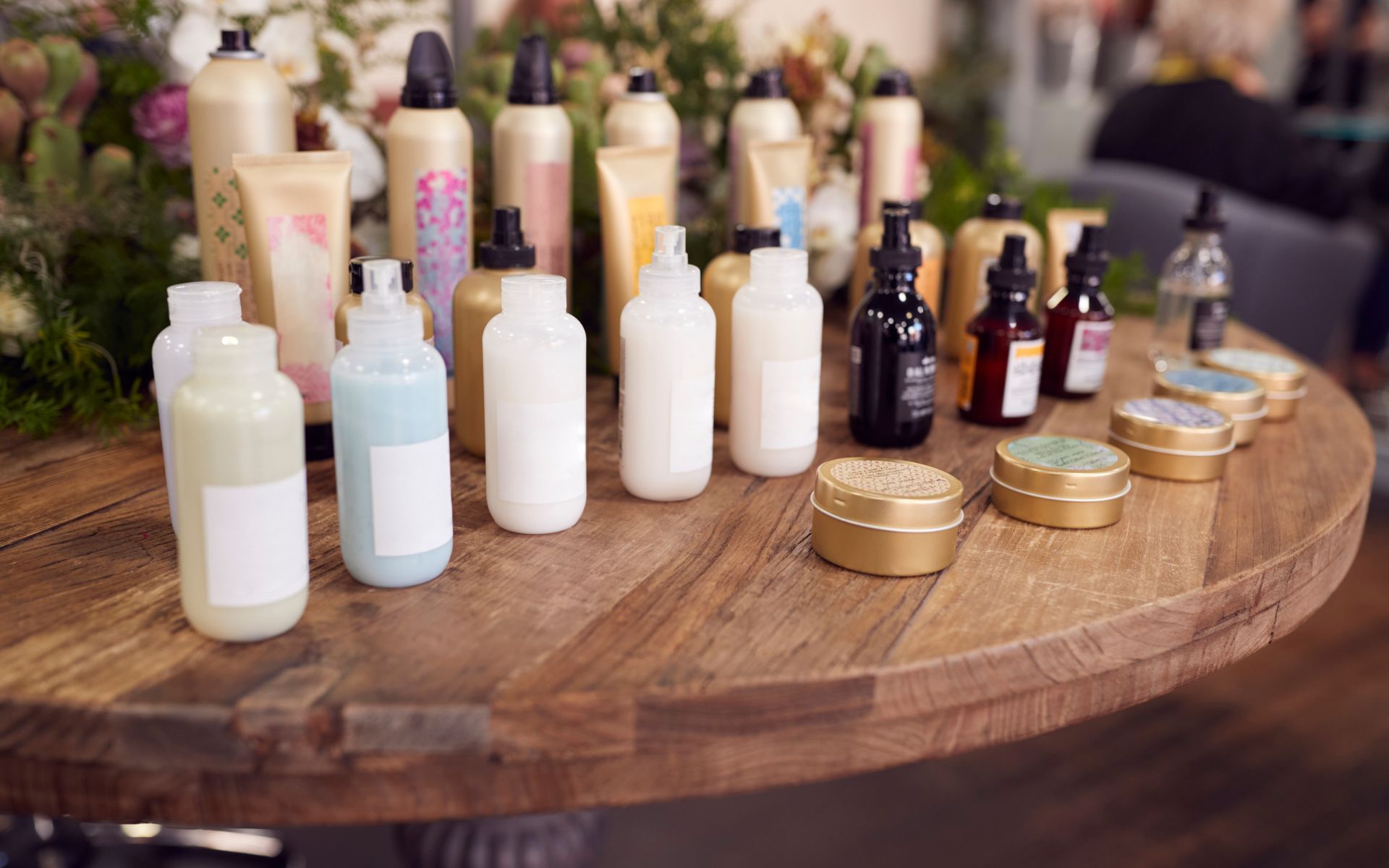
Organize products according to their purpose, such as hydration, cleansing, sun protection, hair repair, or daily maintenance.
Keep shelves clean and well-lit. Ensure product labels face forward and pricing is easy to understand. Where appropriate, use small display cards to explain the product category and intended use.
A simple, professional display can help customers explore products while waiting for appointments or checking out.
Avoid overwhelming clients with too many choices. Highlight a few relevant products at a time and ensure staff members can explain each recommendation.
Customers often face confusion when they encounter multiple serums, creams, cleansers, and treatment products. Different ingredients and product claims can make choosing the right option difficult.
For example, a customer interested in niacinamide may not know whether they also need a separate exfoliating serum, moisturizer, and toner. Without guidance, they may decide not to purchase anything.
Offer clear, easy-to-follow routines based on customer needs.
A basic skincare routine might include cleansing, moisturizing, and daytime sun protection. Additional products can be introduced when they suit the client’s concerns and are compatible with the rest of the routine.
For haircare, begin with essential products suited to the client’s hair type and goals before recommending optional treatments.
Explain the order of application, frequency of use, and any relevant precautions. Introduce new products gradually when appropriate, especially when active ingredients are involved.
Simple routines are easier to understand and maintain, making clients more comfortable with their purchases.
Retail sales do not have to end when a client leaves the salon.
Customers may need time to consider a recommendation, ask questions, or finish the products they already own. Without a follow-up process, the salon may lose opportunities to help clients make informed purchasing decisions.
With the client’s permission, send a short message after the appointment summarizing the recommended homecare routine.
You could also share product instructions, educational content, or reminders when a customer is likely to need a refill.
For example, a follow-up message might ask whether the client has any questions about using the recommended moisturizer or serum.
Keep communication relevant and respectful. Avoid sending repeated promotional messages or implying that customers must purchase products to benefit from salon treatments.
A thoughtful follow-up strategy can strengthen relationships, encourage repeat purchases, and help clients feel supported between appointments.
Recommending an entire shelf of products may increase the total purchase price, but it can also create hesitation.
Clients may feel overwhelmed by the number of decisions they need to make. They might also worry that the routine will be expensive, time-consuming, or difficult to maintain.
Use a tiered recommendation approach.
Start with the product that addresses the client’s most important concern or fills a clear gap in their current routine. Then explain which additional products could be considered later.
For example, a client who does not use sunscreen may benefit from understanding the importance of appropriate daily sun protection before being introduced to several optional serums.
This approach respects the customer’s budget and helps establish trust. Once clients become comfortable with your recommendations, they may be more open to exploring additional products.
Without tracking sales, salon owners may find it difficult to understand why certain products sell well while others remain untouched.
They may continue purchasing products that do not match customer demand or miss opportunities to improve staff training.
Monitor a few practical indicators each month.
These can include retail revenue, the percentage of clients who purchase products, average retail spending per purchasing client, repeat purchases, and product sell-through rates.
Also track which services generate the most retail interest and which products receive frequent questions but few purchases.
For example, if many clients ask about a serum but rarely buy it, the issue might involve price, unclear product benefits, unsuitable recommendations, or a lack of confidence in usage instructions.
Use these observations to adjust your product selection, consultations, displays, and training.
The goal is to identify patterns and improve the customer experience rather than pressure employees or customers into unnecessary purchases.
The products a salon chooses can significantly influence its retail strategy. Professional beauty brands should offer more than attractive packaging. Salons also need dependable product quality, understandable product information, and support that helps staff communicate confidently.
Working with a suitable professional skincare or haircare brand can help salons develop a more consistent homecare offering.
For example, a brand with a focused product range may make it easier for staff to build simple routines around common customer concerns. Product education and clear application guidance can also support more effective consultations.
Salon owners exploring professional product options can learn more about Pitusa and evaluate whether its range aligns with their service offerings and clientele.
Before partnering with any brand, consider product suitability, pricing, documentation, supply reliability, training resources, and the overall value offered to your business.
The best partnership is one that supports both customer satisfaction and sustainable business growth.
The most successful salon retail strategies begin with listening.
Clients want to feel understood, not pressured. They want recommendations that make sense for their skin or hair concerns, fit their budgets, and work with their existing routines.
To build this kind of experience, salon owners should focus on personalized consultations, product knowledge, transparent communication, and realistic expectations.
It is also important to explain that retail products are not a substitute for professional medical advice when a customer has a persistent or potentially medical skin or scalp concern. In such cases, an appropriate referral may be more helpful than a product recommendation.
When clients recognize that your priority is their well-being, they are more likely to trust your advice and return for future services.
If salon clients are not buying your products, the solution may not be to offer more discounts or increase sales pressure. The real opportunity lies in understanding what prevents customers from purchasing and making the retail experience more useful, personalized, and convenient.
Educate your team, select products that match your clientele, introduce recommendations during consultations, simplify homecare routines, improve product displays, and follow up thoughtfully. Track your performance to identify what works and where improvements are needed.
Professional skincare and haircare retail can become a valuable part of salon business growth when it supports the customer’s needs as well as the salon’s commercial goals.
With a customer-first approach and the right product partnerships, salons can strengthen client relationships, encourage repeat purchases, and create a more sustainable retail business.
Explore Pitusa to learn more about professional beauty products and consider how a suitable product range could complement your salon’s services.
Clients may not understand the benefits, feel uncertain about product suitability, find the price too high, or feel pressured by the recommendation. Clear education and personalized consultations can help address these barriers.
Salon owners can improve retail sales by training staff, recommending products based on individual concerns, simplifying homecare routines, displaying products clearly, and following up with clients when appropriate.
The right range depends on the salon’s services and clientele. Common options include cleansers, moisturizers, serums, sunscreens, hair masks, conditioners, and other products that support clients’ homecare routines.
Ask about the client’s concerns, explain why a product may be suitable, provide clear usage instructions, and respect the customer’s decision. Focus on education rather than pressure.
Suitable brands can support salon retail through relevant product ranges, clear product information, reliable supply, educational resources, and professional guidance that helps staff make informed recommendations.
It can be a valuable additional revenue stream when products match customer needs and are recommended responsibly. Success depends on product selection, customer trust, staff knowledge, and consistent retail management.