
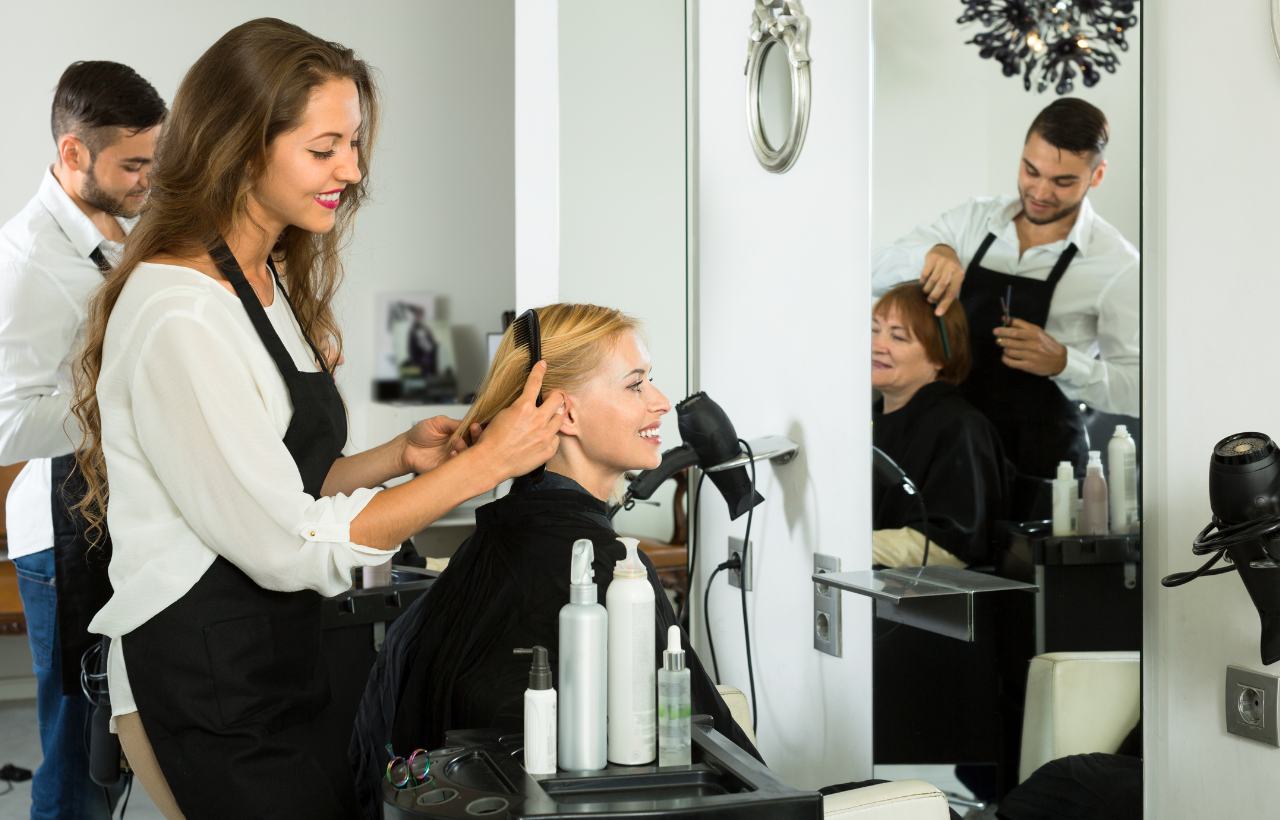
In today’s competitive beauty industry, attracting clients to your salon is no longer the biggest challenge—retaining them and converting them into long-term skincare customers is. Many salons focus heavily on services like hair styling, makeup, and basic facials, but miss a powerful opportunity: building recurring revenue through professional skincare retail and structured treatment plans.
Modern clients are more informed than ever. They research ingredients, follow skincare trends, and expect personalized recommendations. If salons fail to guide them properly, clients often purchase products online or from competing brands. Converting salon clients into long-term skincare customers requires strategy, education, trust, and consistency.
The key is shifting from being a service provider to becoming a skin expert and solution partner.
Today’s skincare customer is ingredient-aware, results-driven, and cautious. They read labels, compare reviews, and expect transparency. Unlike earlier years when clients relied blindly on salon suggestions, they now want explanations—why a product works, how long it takes to show results, and whether it suits their skin type.
Clients also seek long-term solutions rather than one-time glow treatments. Acne, pigmentation, sensitivity, early aging—these concerns require structured routines and professional guidance. If your salon doesn’t offer that guidance, someone else will.
Understanding this shift is the first step toward conversion.
The biggest mistake salons make is skipping consultations. A proper skin consultation builds trust and positions you as an expert.
Instead of directly recommending a facial, begin with:
When clients feel heard and understood, they become more open to professional advice. A 5–10 minute consultation can dramatically increase retail conversion rates.
Documenting skin history also allows you to create follow-up plans, which is essential for long-term retention.
Education is more powerful than promotion.
Instead of saying, “Buy this serum,” explain:
For example, if a client struggles with acne, explain how niacinamide regulates oil production and strengthens the skin barrier. If they are concerned about aging, discuss how retinol stimulates collagen production over time.
When clients understand the “why,” they are far more likely to invest.
One-time facials generate limited income. Structured skincare programs create predictable revenue.
Instead of selling:
Offer:
These programs should include:
When clients commit to programs, they psychologically invest in the process, increasing loyalty and product usage.
Salon treatments alone cannot deliver lasting results. Homecare is the bridge between appointments.
After every facial or treatment:
Position products not as optional purchases but as necessary continuation tools. For example:
“This serum will help maintain the hydration we achieved today.”
When homecare is framed as part of the treatment, conversion naturally improves.
Trust is the foundation of long-term sales.
Clients hesitate to buy salon products if they doubt safety or effectiveness. Using dermatologically tested, research-backed formulations reduces resistance.
Highlight:
When clients trust your product quality, they are less likely to shop online for alternatives.
Conversion depends heavily on staff communication skills.
Your team should:
Regular product training sessions are essential. Staff must believe in what they recommend. When communication sounds scripted or unsure, clients sense it immediately.
Confident education builds authority.
Generic recommendations reduce credibility. Personalization increases loyalty.
Instead of giving the same routine to everyone:
Provide written routines or printed guides clients can follow at home. When clients see a structured plan designed specifically for them, they feel valued and are more likely to stick to it.
Follow-up communication is a powerful yet underused tool.
Within 3–5 days after a treatment:
This small effort builds trust and shows genuine care. It also keeps your salon top-of-mind, reducing the chance of clients switching brands.
Consistency builds relationships.
Many salons try to increase retail sales by offering discounts. While this may increase short-term purchases, it reduces perceived value.
Instead:
Results sell better than price cuts. When clients see improvement in acne reduction or pigmentation fading, they willingly repurchase products.
Value perception drives loyalty.
Membership programs encourage repeat purchases.
Consider:
This strategy increases retention and ensures recurring revenue. Clients who feel part of an exclusive program are less likely to leave.
Memberships turn occasional visitors into committed customers.
Clients trust other clients.
Display:
Social proof reduces buying hesitation. When potential customers see real results from others, they feel more confident investing in products and long-term routines.
Online platforms amplify this effect even further.
Presentation influences purchasing behavior.
Instead of cluttered shelves:
A well-structured display communicates expertise and quality. When retail areas look premium and clinical rather than cosmetic, clients perceive higher value.
Environment affects buying decisions more than most salons realize.
Data-driven decisions increase conversions.
Maintain records of:
Tracking progress allows you to adjust routines and show measurable improvements. Clients appreciate evidence-based recommendations.
This transforms your salon into a results-focused skin studio.
Language shapes perception.
Instead of marketing only beauty services, emphasize:
When clients view you as a skincare authority, they trust your recommendations more deeply.
Authority builds long-term revenue.
Converting salon clients into long-term skincare customers is not about aggressive selling. It is about education, personalization, structured programs, and consistent follow-up.
The beauty industry is evolving. Clients want transparency, clinical results, and trusted guidance. Salons that adapt to this shift will thrive. Those that rely solely on one-time services may struggle.
When you combine professional consultations, dermatologically tested products, staff training, and structured skincare programs, you create more than sales—you build relationships.
And relationships are the foundation of sustainable beauty business growth.